
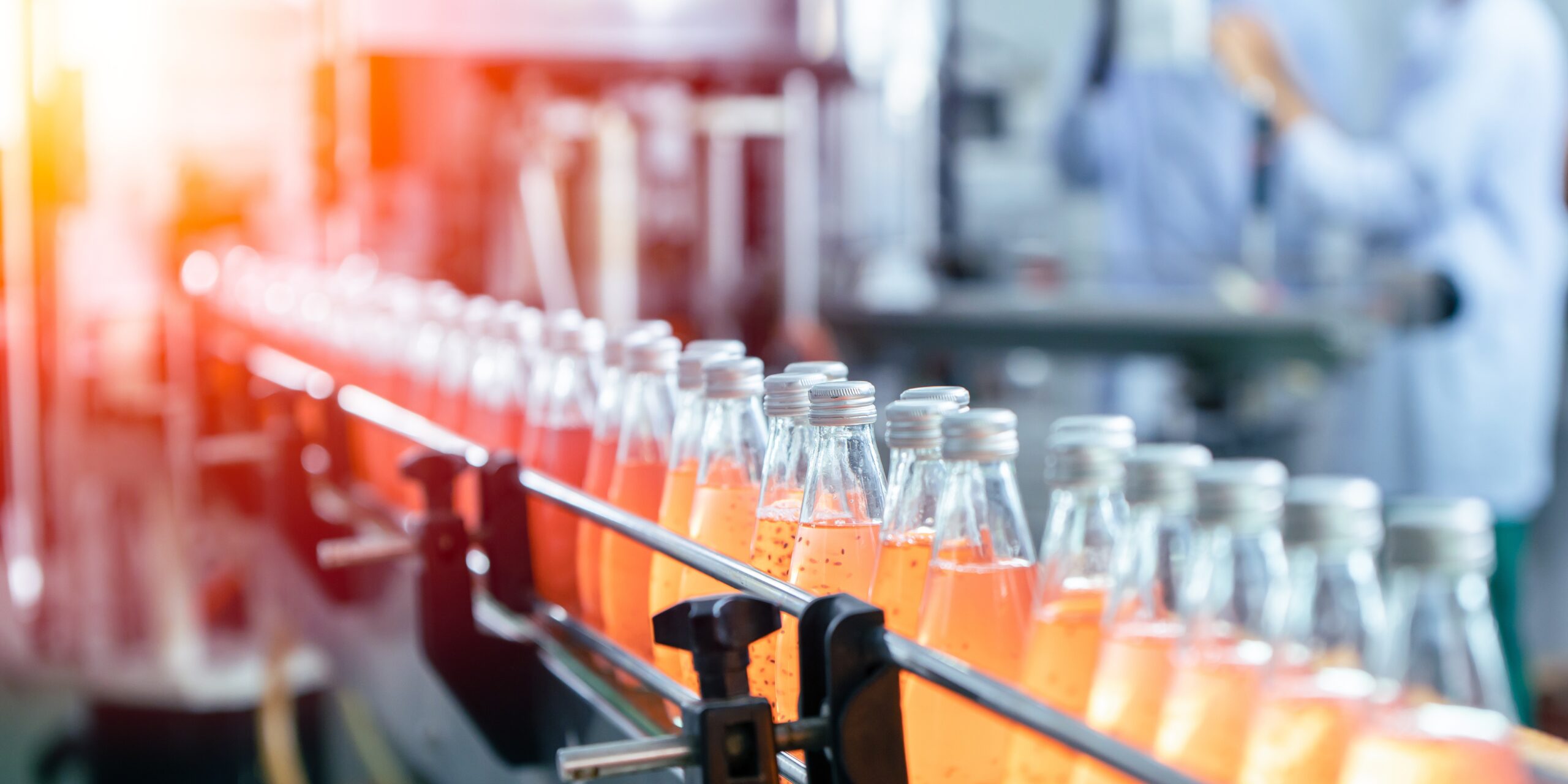
Beverages Manufacturers in 2026: Global B2B Guide
In 2026, the global beverage industry is more competitive and regulated than ever. International buyers, private label brands, and distributors are no longer just looking for suppliers — they’re seeking strategic beverage manufacturing partners.
Challenges buyers face today:
Inconsistent quality across batches
Lack of regulatory compliance for export markets
Supply chain disruptions
Private label limitations
Sustainability and packaging compliance requirements
Rising raw material costs
For global importers and brand owners, choosing the right Beverages Manufacturers is no longer a transactional decision — it’s a strategic one.
This guide provides a complete 2026 perspective on the beverage manufacturing ecosystem and explains how MSARK International supports international buyers with reliability, compliance, and scalable solutions.
What Are Beverages Manufacturers? 🏭
Beverages manufacturers are companies that formulate, process, package, and distribute drinkable products for domestic and international markets.
They typically produce:
🥤 Carbonated soft drinks
🧃 Fruit juices & concentrates
🧉 Functional beverages
🥛 Dairy-based drinks
☕ Ready-to-drink tea & coffee
💧 Mineral & flavored water
🍹 Energy drinks & sports beverages
🌿 Herbal & plant-based drinks
Modern beverage manufacturing involves:
Product R&D
Ingredient sourcing
Formulation & blending
Pasteurization or sterilization
Filling & packaging
Labeling & export documentation
For B2B buyers, the real value lies in manufacturers that combine production capability with international trade expertise.
Beverage Industry Trends in 2026 📊
Understanding trends is critical for international sourcing and private label growth.
1. Functional & Wellness Beverages Growth
Consumers increasingly demand:
Probiotic drinks
Vitamin-infused beverages
Immunity boosters
Low-sugar and sugar-free options
Plant-based alternatives
Manufacturers must support custom formulations for niche global markets.
2. Private Label Expansion 🏷️
Retail chains, Amazon sellers, and regional distributors are launching:
Private label energy drinks
Functional hydration brands
Organic juice brands
Private label beverage manufacturing requires:
Flexible MOQs
Custom packaging
Regulatory label adaptation
Brand confidentiality
3. Clean Label & Transparency
Buyers demand:
Non-GMO ingredients
No artificial preservatives
Clear ingredient sourcing
Transparent supply chains
4. Sustainable Packaging 🌱
Recyclable PET
Aluminum cans
Glass packaging
Biodegradable labels
Compliance with EU Green Deal and global ESG standards is now critical.
5. Regional Flavor Localization
Manufacturers are adapting flavors based on export markets:
Middle East – Dates & rose flavors
Africa – Fortified drinks
Europe – Organic & premium
USA – Functional & performance-based
This requires strong R&D capability.
Key Beverage Manufacturing Processes 🔬
Professional beverages manufacturers follow a structured production framework:
1. Product Development & Formulation
Market analysis
Ingredient testing
Shelf-life stability testing
Regulatory review
2. Ingredient Procurement
Reliable sourcing of:
Fruit pulp & concentrates
Sweeteners (natural & artificial)
Flavoring agents
Stabilizers & emulsifiers
Traceability is crucial for international buyers.
3. Water Treatment
Water purity is fundamental. Advanced facilities use:
Reverse Osmosis (RO)
UV sterilization
Ozonation
4. Mixing & Blending
Precision-controlled mixing ensures:
Taste consistency
Nutritional stability
Batch uniformity
5. Pasteurization / UHT Treatment
Ensures microbial safety and extended shelf life.
6. Filling & Packaging Lines
PET bottling lines
Glass bottling
Aluminum canning
Tetra pack systems
Automation reduces contamination risk.
7. Quality Control & Testing
Microbiological testing
pH level analysis
Brix testing
Sensory evaluation
Packaging integrity checks
Compliance, Certifications & Global Trade Standards 📑
International buyers must ensure their beverage manufacturing partner complies with:
Food Safety Certifications
ISO 22000
FSSC 22000
HACCP
GMP
Export Compliance
FDA (USA)
EFSA (Europe)
Halal certification
Kosher certification
Labeling Compliance
Different markets require:
Nutritional declarations
Allergen information
Importer details
Barcode registration
Failure to comply can result in rejected shipments or legal penalties.
Sustainability & ESG Responsibility 🌱
Modern beverage manufacturers must integrate sustainability:
Water conservation systems
Energy-efficient production
Waste reduction processes
Carbon footprint monitoring
Sustainable packaging sourcing
Global buyers increasingly evaluate ESG performance before signing long-term supply contracts.
How Businesses Benefit from Partnering with Professional Beverages Manufacturers 💼
Working with experienced manufacturers provides:
1. Scalability
Ability to increase production volumes during peak seasons.
2. Cost Efficiency
Bulk ingredient sourcing lowers production cost.
3. Faster Market Entry
Private label ready-to-launch solutions reduce development time.
4. Regulatory Support
Documentation and export compliance assistance.
5. Risk Mitigation
Quality assurance reduces recalls and shipment rejections.
How to Choose a Reliable Beverage Manufacturing Partner 🔎
International buyers should evaluate:
1. Manufacturing Capacity
Daily production volume
Equipment modernization
Automation level
2. Private Label Capability
Custom formulation
Custom packaging
Flexible MOQ
3. Export Experience
Documentation expertise
HS code classification
Freight coordination
Incoterms knowledge
4. Quality Control Infrastructure
In-house lab testing
Batch traceability
Third-party certifications
5. Supply Chain Stability
Raw material sourcing reliability
Multiple supplier networks
Contingency planning
Why MSARK International is a Strong Global Beverage Sourcing Partner 🌍🏆
MSARK International positions itself as a trusted B2B sourcing and trade partner for global beverage buyers.
1. Strong International Trade Expertise
We understand:
Cross-border compliance
Export documentation
Freight management
Customs clearance support
2. Verified Manufacturing Network
MSARK International collaborates with:
Certified beverage manufacturing facilities
ISO & HACCP-compliant units
Export-ready production lines
3. Private Label & OEM Support 🏷️
We assist with:
Brand development
Custom packaging
Label adaptation for international markets
MOQ flexibility
4. Quality Assurance Process
Pre-shipment inspections
Batch verification
Documentation verification
Third-party quality audits
5. End-to-End Trade Management
From formulation to shipment delivery, MSARK International ensures:
Transparent communication
On-time dispatch
Competitive pricing
Risk-managed logistics
Frequently Asked Questions (FAQ) ❓
Q1. What certifications should beverages manufacturers have for export?
They should have ISO 22000, HACCP, GMP, and region-specific approvals like FDA or EFSA, depending on the target market.
Q2. What is the minimum order quantity (MOQ) for private label beverages?
MOQs vary depending on packaging and formulation, typically starting from 5,000–10,000 units for private label production.
Q3. How long does beverage manufacturing take?
Production timelines range from 30–60 days depending on formulation complexity, packaging customization, and compliance approvals.
Q4. Can beverages manufacturers customize flavors?
Yes, advanced manufacturers offer R&D support for flavor development and regional market adaptation.
Q5. What are the biggest risks in beverage importing?
Regulatory non-compliance
Shipment contamination
Incorrect labeling
Inconsistent quality
Working with experienced export partners reduces these risks.
Q6. How important is sustainability in beverage manufacturing?
Extremely important. Many global retailers require ESG compliance and sustainable packaging before approving suppliers.
Conclusion: 🚀
The global beverage industry in 2026 demands more than just production capability. It requires:
Regulatory expertise
Sustainable practices
Private label flexibility
Trade intelligence
Consistent quality
For international buyers, importers, and distributors, selecting the right beverages manufacturers determines long-term profitability and brand success.
MSARK International stands at the intersection of manufacturing capability and global trade expertise, delivering scalable, compliant, and market-ready beverage solutions.
📩 Partner with MSARK International Today
If you are:
An international importer
A private label brand owner
A regional distributor
A supermarket chain
A startup beverage brand
We invite you to connect with our global trade specialists.
🔹 Request product catalog
🔹 Discuss private label opportunities
🔹 Get a customized export quotation
🔹 Explore long-term supply partnerships
Contact MSARK International today and build your beverage brand with confidence. 🌍🍹

 Call Us
 Email-
 Location