
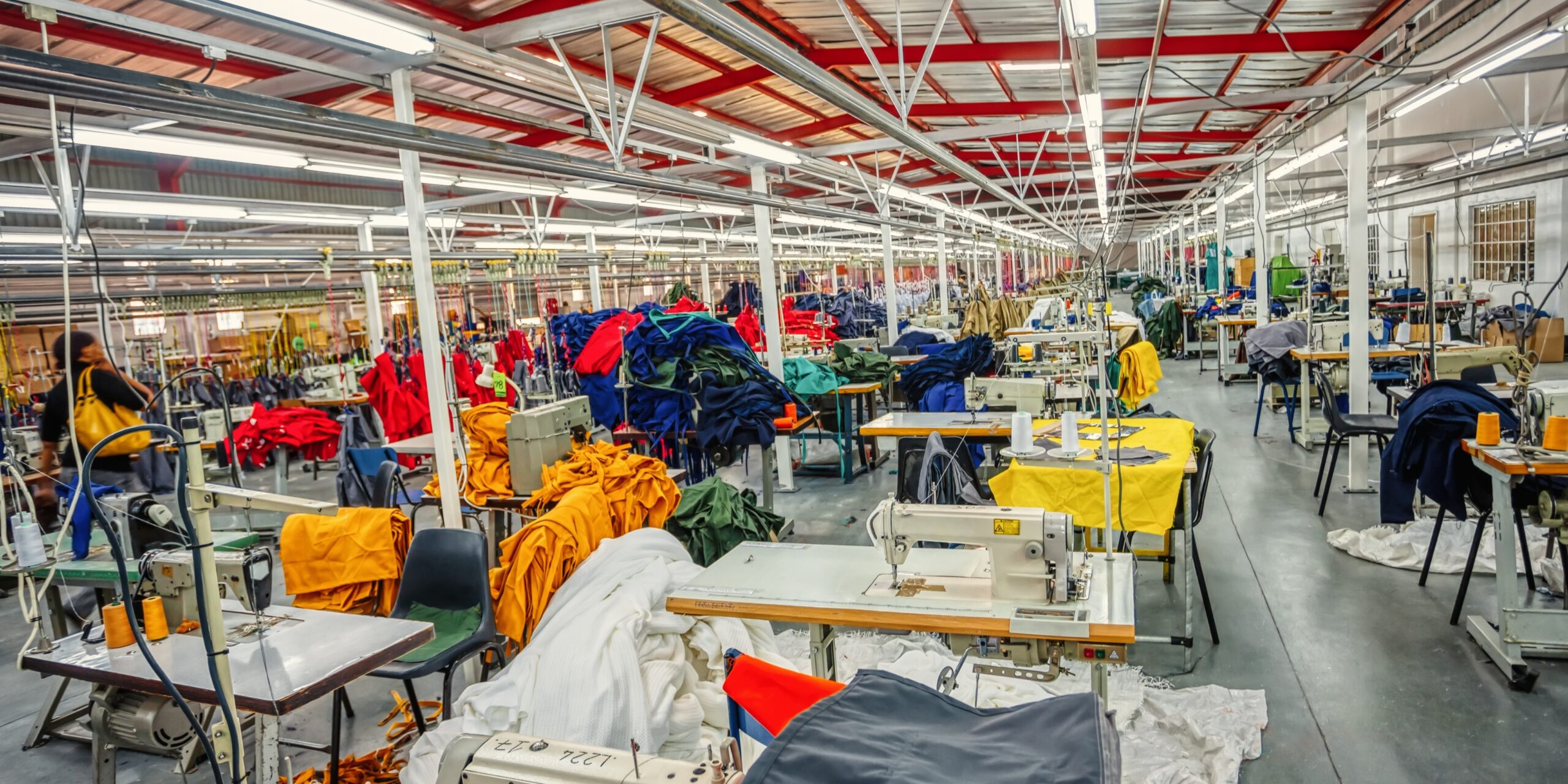
Clothing Manufacturing in 2026: A Complete Guide for Global Brands
In 2026, clothing manufacturing is no longer just about producing garments at scale. It is about compliance, sustainability, speed to market, ethical sourcing, and long-term brand positioning. For clothing brands, importers, distributors, and startup fashion labels, selecting the right apparel production company can determine whether a product line succeeds globally—or struggles with delays, quality issues, and regulatory risks.
Global supply chains are more interconnected than ever. Buyers now demand transparency. Governments enforce stricter compliance rules. Consumers expect sustainability and traceability. As a result, businesses searching for clothing manufacturing solutions are not only looking for production capacity—they are seeking reliable, ethical, and scalable partners.
This guide explains everything you need to know about clothing manufacturing in 2026, including production models, sustainability standards, global trends, and how to choose a trusted global clothing supplier like MSARK International.
What Is Clothing Manufacturing?
Clothing manufacturing refers to the complete process of transforming raw materials—such as fabrics, trims, and accessories—into finished garments ready for distribution and retail.
A professional clothing manufacturing setup typically includes:
Fabric sourcing and procurement
Pattern development and sampling
Cutting and stitching
Quality inspection and finishing
Packaging and export logistics
A modern apparel production company integrates these functions into a streamlined system to ensure quality, compliance, and timely delivery.
Today’s clothing manufacturing goes beyond sewing garments. It includes:
Supply chain transparency
Regulatory compliance (labor, safety, environmental)
Scalable production capacity
Sustainable clothing production practices
For B2B buyers, understanding the full garment manufacturing ecosystem is essential before selecting a partner.
Types of Clothing Manufacturing: OEM, ODM & Private Label
Understanding manufacturing models helps brands align production strategy with business goals.
1. OEM (Original Equipment Manufacturer)
In OEM clothing manufacturing:
The buyer provides designs and technical specifications.
The manufacturer produces garments exactly as instructed.
The brand maintains full design control.
Best for:
Established brands with in-house design teams.
Importers needing production-only services.
2. ODM (Original Design Manufacturer)
In ODM:
The manufacturer offers pre-developed designs.
The buyer customizes branding and minor elements.
Production is faster due to ready-made templates.
Best for:
Startups entering fashion markets.
Distributors testing new product lines.
3. Private Label Clothing Manufacturing
Private label clothing manufacturing is increasingly popular in 2026.
Here:
The manufacturer produces garments.
The buyer sells under their own brand name.
The focus is on scalable, consistent production.
Advantages include:
Faster market entry
Lower design investment
Controlled branding
Higher margins
For global clothing suppliers, private label services are now a core offering.
Global Clothing Manufacturing Trends in 2026
The clothing industry is evolving rapidly. Businesses that understand trends gain competitive advantage.
1. Sustainable Clothing Production Is No Longer Optional
According to industry data, over 65% of global buyers now evaluate sustainability before selecting manufacturing partners. Governments across Europe, North America, and Asia are enforcing stricter environmental regulations.
Key sustainability shifts include:
Reduced water usage in dyeing processes
Eco-friendly fabric sourcing
Waste reduction and recycling systems
Energy-efficient production facilities
2. Digital Supply Chain Integration
Clothing manufacturing in 2026 uses:
AI-driven production forecasting
ERP-integrated logistics systems
Real-time quality control monitoring
Digital sampling and 3D prototyping
This improves speed and reduces costly errors.
3. Ethical Clothing Manufacturing & Compliance
Brands now demand:
Transparent labor practices
Fair wage compliance
Workplace safety certifications
Third-party audits
Ethical clothing manufacturing is directly linked to brand reputation and investor confidence.
4. Nearshoring & Diversified Global Sourcing
Instead of depending on one country, brands now work with diversified global clothing suppliers to reduce geopolitical risk.
Companies with international sourcing networks and manufacturing flexibility are better positioned for long-term stability.
Why Ethical & Sustainable Production Is Critical
Ethical clothing manufacturing is no longer a marketing advantage—it is a compliance necessity.
Key Benefits of Sustainable Clothing Production
Reduced environmental risk
Stronger brand credibility
Easier international market entry
Long-term cost efficiency
Investor and distributor confidence
Global import regulations increasingly require documentation on:
Fabric origin
Labor conditions
Chemical usage
Carbon footprint
Working with a compliant apparel production company ensures smoother export processes.
Step-by-Step Garment Manufacturing Process
Understanding the garment manufacturing process helps buyers evaluate potential partners.
1. Fabric Sourcing
Selection based on quality, durability, and compliance.
Global sourcing from verified suppliers.
2. Pattern Development & Sampling
Design interpretation.
Prototype creation.
Fit testing and revisions.
3. Material Procurement
Trims, labels, accessories sourced.
Cost optimization without compromising quality.
4. Cutting & Stitching
Automated or semi-automated cutting.
Skilled stitching teams.
5. Quality Control (Multi-Level)
Quality checks typically include:
Raw material inspection
In-line production checks
Final garment inspection
Packaging inspection
Strict QC systems reduce returns and maintain brand integrity.
6. Packaging & Export
Custom branding options.
International shipping compliance.
Documentation for import/export.
For businesses involved in global trade, coordination with Metal Import & Export logistics networks or broader trade systems can streamline cross-border operations.
How to Choose a Reliable Clothing Manufacturing Partner
Selecting the right global clothing supplier requires structured evaluation.
1. Verify Production Capacity
Ask:
What is monthly production volume?
Can they scale during peak seasons?
2. Evaluate Compliance Standards
Check for:
Labor compliance documentation
Environmental certifications
Export readiness
3. Assess Quality Control Systems
Look for:
Multi-stage inspection
Dedicated QC teams
Transparent reporting
4. Review Communication & Transparency
A reliable apparel production company provides:
Clear timelines
Transparent costing
Regular updates
Structured documentation
5. Examine Sustainability Commitment
Ask about:
Waste reduction systems
Energy efficiency
Sustainable fabric sourcing
Why MSARK International Stands Out in Clothing Manufacturing
MSARK International positions itself as a global manufacturing and trade solutions provider with a strong focus on quality, compliance, and scalable production.
Key Strengths:
End-to-end clothing manufacturing solutions
Ethical sourcing partnerships
Structured garment manufacturing process
International trade readiness
Quality-driven production systems
As a diversified enterprise operating across manufacturing sectors—including FMCG product manufacturing—MSARK International understands large-scale production discipline and supply chain coordination.
Its global sourcing network enables:
Flexible fabric procurement
Reliable production timelines
Cross-border trade efficiency
For brands seeking long-term partnerships rather than transactional production, this structured approach creates stability and trust.
FAQ: Clothing Manufacturing (People Also Ask)
1. What is the difference between OEM and private label clothing manufacturing?
OEM requires buyer-provided designs, while private label manufacturing allows buyers to sell products under their own brand with production handled by the manufacturer.
2. How do I choose a global clothing supplier?
Evaluate production capacity, compliance standards, quality control systems, sustainability practices, and communication transparency.
3. Why is ethical clothing manufacturing important in 2026?
Regulatory enforcement, consumer awareness, and brand accountability require strict labor and environmental compliance to protect long-term business growth.
4. What is included in the garment manufacturing process?
Fabric sourcing, sampling, cutting, stitching, quality inspection, packaging, and export documentation.
5. How long does clothing manufacturing typically take?
Production timelines vary based on volume and complexity but generally range from 4–12 weeks including sampling and bulk production.
6. Can startups use private label clothing manufacturing?
Yes. Private label solutions are ideal for startups seeking fast market entry with scalable production and brand control.
Final Thoughts:
In today’s competitive global environment, clothing manufacturing is about more than production—it is about reliability, compliance, scalability, and trust.
For clothing brands, importers, distributors, and private label businesses, choosing the right partner ensures:
Consistent quality
Ethical production
Sustainable growth
Smooth international trade
MSARK International combines structured manufacturing systems, global sourcing capabilities, and quality-focused production standards to support brands looking for long-term success in international markets.
Ready to Scale Your Clothing Brand Globally?
If you are seeking a trusted partner in clothing manufacturing—whether for private label, OEM, or scalable global production—connect with MSARK International today.
Explore our Clothing Manufacturing Services and discuss your production requirements with our team to build a reliable, future-ready supply chain.

 Call Us
 Email-
 Location