Premium Cosmetic Manufacturing in 2026: A Complete B2B Guide for Global Brands
The global beauty industry has transformed dramatically over the past decade. In 2026, the premium cosmetic segment is no longer a niche — it is a dominant force driving profitability, brand differentiation, and consumer loyalty.
However, for international buyers, private label brands, and distributors, entering the premium segment comes with challenges:
Strict regulatory compliance
Ingredient transparency requirements
Luxury packaging standards
Quality consistency across batches
Competitive global positioning
Today’s B2B buyers need more than a manufacturer — they need a strategic premium cosmetic partner capable of delivering innovation, compliance, and scalability.
This comprehensive guide explores the premium cosmetic industry landscape and how MSARK International supports global brands with structured, compliant, and high-quality manufacturing solutions.
What is a Premium Cosmetic? ✨
A premium cosmetic refers to high-quality beauty and personal care products positioned above mass-market offerings in terms of:
Ingredient quality
Formulation sophistication
Packaging design
Brand perception
Pricing
Categories include:
💄 Color Cosmetics
Luxury foundations
High-pigment lipsticks
Professional-grade palettes
🧴 Skincare
Anti-aging serums
Vitamin C formulations
Hyaluronic acid creams
Dermatologist-tested products
🌿 Natural & Organic Beauty
Clean-label skincare
Plant-based formulations
Cruelty-free cosmetics
🧴 Hair & Personal Care
Premium shampoos
Sulfate-free conditioners
Professional styling products
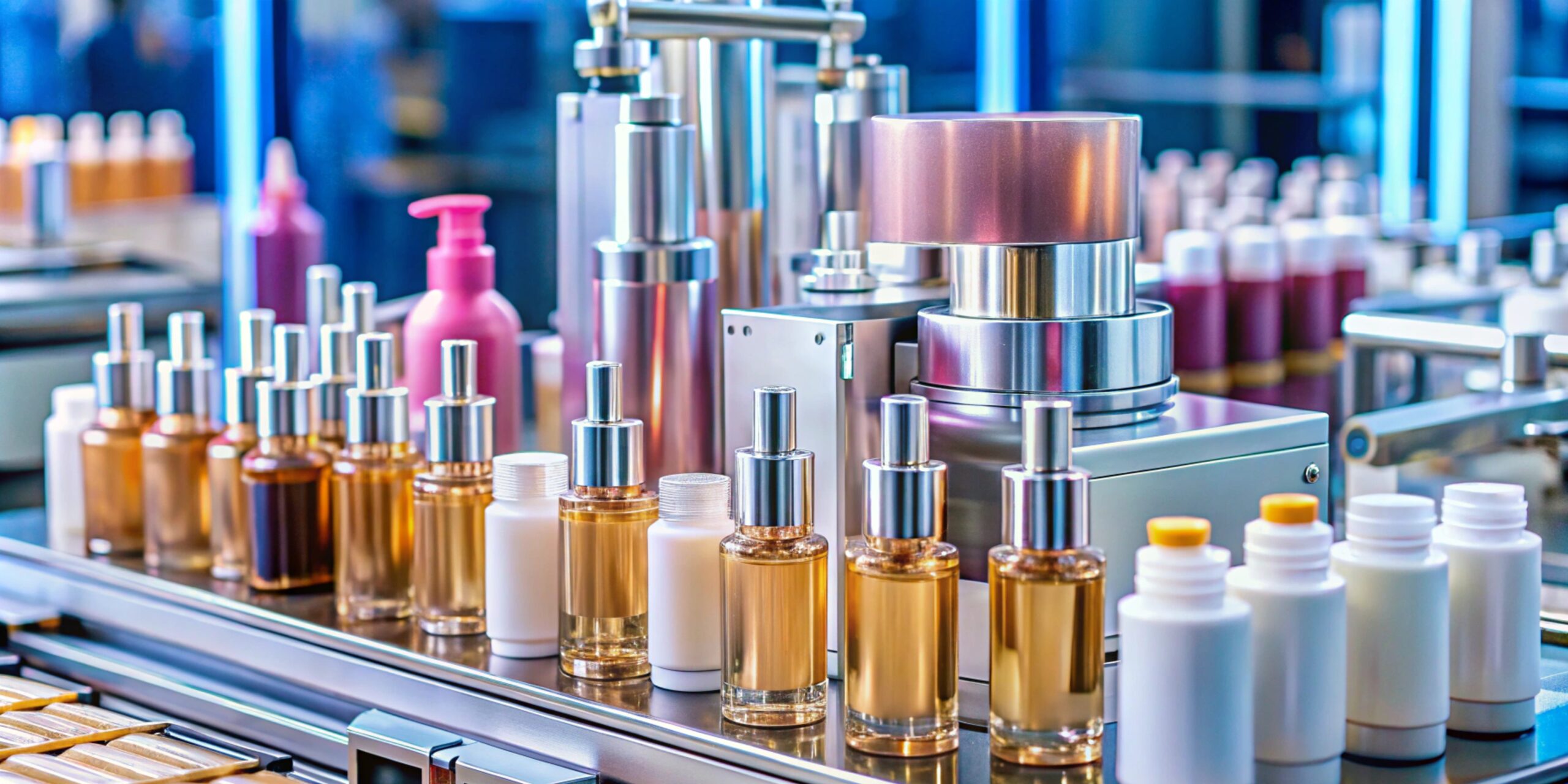
Premium cosmetic manufacturing involves advanced R&D, ingredient sourcing, strict quality control, and global compliance management.
Premium Cosmetic Industry Trends in 2026 📊
1. Clean Beauty & Transparency 🌿
Consumers demand:
Paraben-free formulas
Sulfate-free products
Cruelty-free certifications
Full ingredient disclosure
Regulatory bodies are tightening standards globally.
2. Dermatological & Clinical Positioning 🧪
Premium brands increasingly market:
Clinically tested formulas
Dermatologist-approved products
Science-backed skincare
3. Sustainable Luxury Packaging ♻️
Luxury now includes sustainability:
Refillable packaging
Recyclable glass jars
Biodegradable cartons
4. Private Label Premium Expansion 🏷️
Retail chains and e-commerce sellers are launching private label premium cosmetic lines with:
Custom formulations
Small-batch production
Exclusive packaging
5. AI-Driven Personalization
Formulations are increasingly tailored to:
Skin type
Climate
Demographic data
This requires advanced R&D infrastructure.
Key Processes in Premium Cosmetic Manufacturing 🏭
Professional premium cosmetic production follows strict frameworks:
1. Research & Product Development
Ingredient research
Stability testing
Compatibility testing
Clinical trials (if applicable)
2. Raw Material Sourcing
Premium cosmetics require:
High-purity active ingredients
Certified botanical extracts
Pharmaceutical-grade components
Traceability is essential.
3. Formulation & Emulsification
Precision blending ensures:
Texture consistency
Product stability
Efficacy preservation
4. Microbiological Testing
Stability testing
Contamination checks
Shelf-life validation
5. Filling & Luxury Packaging
Premium cosmetic packaging involves:
Airless pumps
Glass bottles
UV-protective containers
Custom embossing & labeling
6. Quality Assurance & Batch Control
In-house laboratory testing
GMP compliance
Batch traceability systems
Compliance & Regulatory Requirements 📑
Global cosmetic trade requires strict adherence to regulations:
International Compliance
EU Cosmetic Regulation (EC No 1223/2009)
US FDA Cosmetic Guidelines
ASEAN Cosmetic Directive
GCC regulations
Certifications
ISO 22716 (GMP for cosmetics)
Cruelty-Free certification
Organic certifications (if applicable)
Labeling Requirements
INCI ingredient list
Manufacturing date & batch code
Allergen declarations
Importer details
Non-compliance can result in product recalls or bans.
Sustainability & Ethical Production 🌱
Premium cosmetic brands are evaluated on:
Cruelty-free testing
Vegan formulations
Carbon-neutral production
Sustainable ingredient sourcing
Responsible sourcing builds long-term brand trust.
Business Benefits of Partnering with Professional Premium Cosmetic Manufacturers 💼
1. Faster Market Entry
Ready-to-launch private label frameworks reduce development time.
2. Brand Differentiation
Custom formulations create unique market positioning.
3. Regulatory Confidence
Export-ready documentation avoids customs delays.
4. Scalability
Production capacity grows with brand demand.
5. Reputation Protection
Consistent quality protects brand equity.
How to Choose a Reliable Premium Cosmetic Manufacturing Partner 🔍
International buyers should evaluate:
1. R&D Capabilities
Does the manufacturer offer a custom formulation?
2. GMP Certification
Is the facility compliant with ISO 22716?
3. Ingredient Transparency
Are suppliers traceable and verified?
4. Private Label Support
Can they assist with packaging, branding, and MOQ flexibility?
5. Export Experience
Do they understand international cosmetic regulations?
Why MSARK International is Strongly Positioned in Premium Cosmetic Trade 🌍🏆
MSARK International acts as a global B2B sourcing and trade partner for premium cosmetic brands.
1. Verified Manufacturing Network
We collaborate with:
GMP-certified cosmetic manufacturers
ISO-compliant facilities
Export-ready production units
2. Private Label & OEM Support 🏷️
We support:
Custom formulations
Packaging development
Brand confidentiality
International label adaptation
3. Quality & Compliance Management
Documentation review
Ingredient compliance checks
Batch verification
Third-party testing coordination
4. Global Trade Expertise 🚢
From factory to destination port, we manage:
Export documentation
Freight coordination
Customs compliance
Risk mitigation
5. Scalable Supply Chain
Our network allows:
Flexible MOQs
Bulk order management
Multi-country distribution
Frequently Asked Questions (FAQ) ❓
Q1. What qualifies a product as premium cosmetic?
High-quality ingredients, superior formulation, luxury packaging, and strong brand positioning.
Q2. What certifications are required for exporting cosmetics?
ISO 22716 (GMP), compliance with EU, FDA, or target market cosmetic regulations.
Q3. What is the MOQ for private label premium cosmetics?
Typically starts from 1,000–5,000 units depending on product and packaging type.
Q4. How long does product development take?
Usually 30–90 days depending on formulation complexity and testing requirements.
Q5. Are premium cosmetics more regulated than regular cosmetics?
Yes, especially in the EU and US markets where ingredient and labeling rules are strict.
Q6. Can formulations be customized for specific markets?
Yes, manufacturers can adapt formulations for climate, skin type, and regional compliance.
Conclusion: 🚀
The premium cosmetic segment in 2026 is driven by innovation, transparency, compliance, and sustainability.
International buyers and brand owners must select manufacturing partners who combine:
Scientific formulation expertise
Regulatory knowledge
Private label flexibility
Quality assurance systems
Global trade capability
MSARK International bridges the gap between premium cosmetic manufacturing excellence and structured international trade.
📩 Partner with MSARK International
If you are:
A beauty brand owner
A private label entrepreneur
A cosmetic distributor
An e-commerce seller
An international importer
Connect with MSARK International to:
✔ Develop premium cosmetic products
✔ Launch private label beauty brands
✔ Ensure global compliance
✔ Secure scalable production partnerships
Contact MSARK International today and elevate your premium cosmetic brand with confidence. 💄🌍
 Call Us
 Email-
 Location